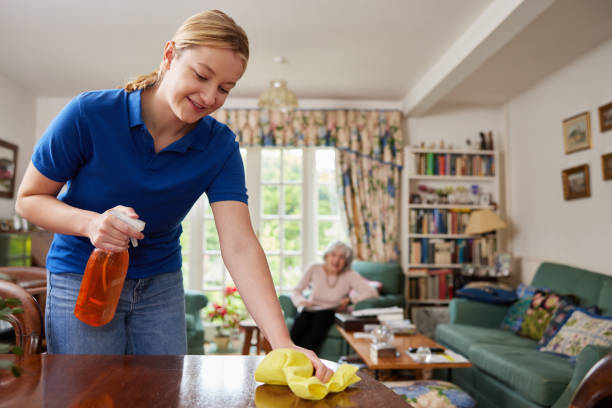
Aged care facilities occupy a unique and sensitive place in the broader healthcare landscape. Residents living in these environments are often managing chronic health conditions, weakened immune systems and reduced mobility, all of which make them significantly more vulnerable to infection than the general population. In this setting, cleaning is not a cosmetic exercise. It is a genuine matter of resident safety and wellbeing.
For operators, families and regulators alike, the standard of hygiene maintained within an aged care facility is one of the clearest indicators of how seriously that facility takes its duty of care toward the people living there.
Understanding the Heightened Risk
Older adults, particularly those with underlying health conditions, are far more susceptible to complications from common infections that a younger, healthier person might shrug off within a few days. Respiratory illnesses, gastrointestinal infections and skin conditions can spread rapidly through a communal living environment if surfaces, bedding and shared spaces are not properly managed.
Outbreaks within aged care settings tend to have far more serious consequences than in most other environments, sometimes resulting in hospitalisation or worse for affected residents. This heightened risk is precisely why hygiene protocols in this sector are held to a standard well above typical residential or even commercial cleaning.
Shared communal living arrangements amplify this risk further still. Residents often eat together, participate in group activities and share common lounges and outdoor spaces throughout the day, creating many more opportunities for germs to pass between individuals compared with someone living independently at home.
What Elevated Cleaning Standards Look Like in Practice
A properly delivered program of Aged Care Cleaning Sydney facilities require covers considerably more ground than routine tidying. High touch surfaces such as handrails, call buttons, door handles and shared furniture need frequent disinfection throughout the day, not just during a single morning clean. Bathrooms and shared amenities demand hospital grade attention given the frequency of use and the vulnerability of residents relying on them.
Laundry handling is another critical area, with bedding and clothing requiring careful processing to prevent cross contamination between residents. Communal dining areas need cleaning protocols that account for food safety alongside general hygiene, particularly for residents with specific dietary or health related restrictions.
Infection Control and Outbreak Response
Beyond routine daily cleaning, aged care facilities need robust protocols ready to deploy quickly if an infectious outbreak does occur. Experienced providers of Aged Care Cleaning Sydney services typically maintain outbreak response plans involving enhanced disinfection schedules, isolation area protocols and close coordination with facility management and health authorities.
This level of preparedness cannot be improvised on the spot when an outbreak begins. It requires trained staff who already understand correct personal protective equipment use, appropriate disinfectant selection for specific pathogens, and the urgency required to contain a potential outbreak before it spreads further through a facility.
Supporting a Dignified Living Environment
Hygiene in aged care is not only about infection control. It also plays a significant role in resident dignity and comfort. A clean, fresh smelling, well maintained environment contributes meaningfully to a resident’s quality of life and sense of wellbeing, while a neglected environment can quietly erode both physical health and emotional comfort over time.
Families visiting a facility often form lasting impressions based on cleanliness alone, and a genuinely well maintained environment reassures loved ones that their family member is being cared for properly across every aspect of daily life, not just medically.
Training Staff for a Sensitive Environment
Cleaning in an aged care facility requires a level of sensitivity that goes beyond technical skill. Staff often work in close proximity to residents who may have limited mobility, cognitive impairment or heightened anxiety around unfamiliar people entering their personal space. Training for this environment includes not only correct disinfection technique but also an understanding of how to move respectfully and quietly through resident areas without causing distress or disruption.
Providers experienced in Aged Care Cleaning Sydney facilities depend on typically build this awareness into their onboarding process, ensuring staff understand both the clinical requirements and the human element of working within a residential care setting.
Supporting Compliance With Aged Care Standards
Facilities operating under the Aged Care Quality Standards are regularly assessed on infection prevention and control as part of their broader accreditation process. Clear documentation of cleaning schedules, disinfection protocols and outbreak management plans forms an important part of demonstrating compliance during these assessments.
A cleaning partner familiar with these requirements can support operators with consistent record keeping and protocols that align directly with what assessors expect to see, reducing administrative burden on facility staff who are already managing significant clinical and care responsibilities.
The Role of Consistency Over Time
A single excellent clean means very little in an aged care setting if standards are not maintained consistently, day after day, week after week. Residents live in these facilities permanently, which means hygiene lapses have an ongoing, cumulative effect rather than being a one off inconvenience that can be corrected later.
This is why many operators favour long term, dedicated cleaning partnerships over rotating contractors, allowing staff to build genuine familiarity with residents, routines and the specific layout of the facility, all of which contributes to a more consistent and reliable standard of care over the long run.
Final Thoughts
Cleaning standards in aged care carry a weight and responsibility that few other sectors share. The vulnerability of residents, combined with the communal nature of these facilities, means that hygiene protocols need to be rigorous, consistent and backed by genuine training rather than treated as a basic operational task.
For aged care operators, partnering with a provider who understands these unique demands is one of the clearest ways to protect resident health, support staff confidence, and maintain the trust families place in these facilities every single day.
As Australia’s population continues to age and demand for quality residential care grows, hygiene and infection control standards will only become more central to how families evaluate and choose a facility for their loved ones. Operators who invest properly in this area now are positioning themselves not just for compliance, but for the genuine trust and reputation that ultimately drives long term occupancy.